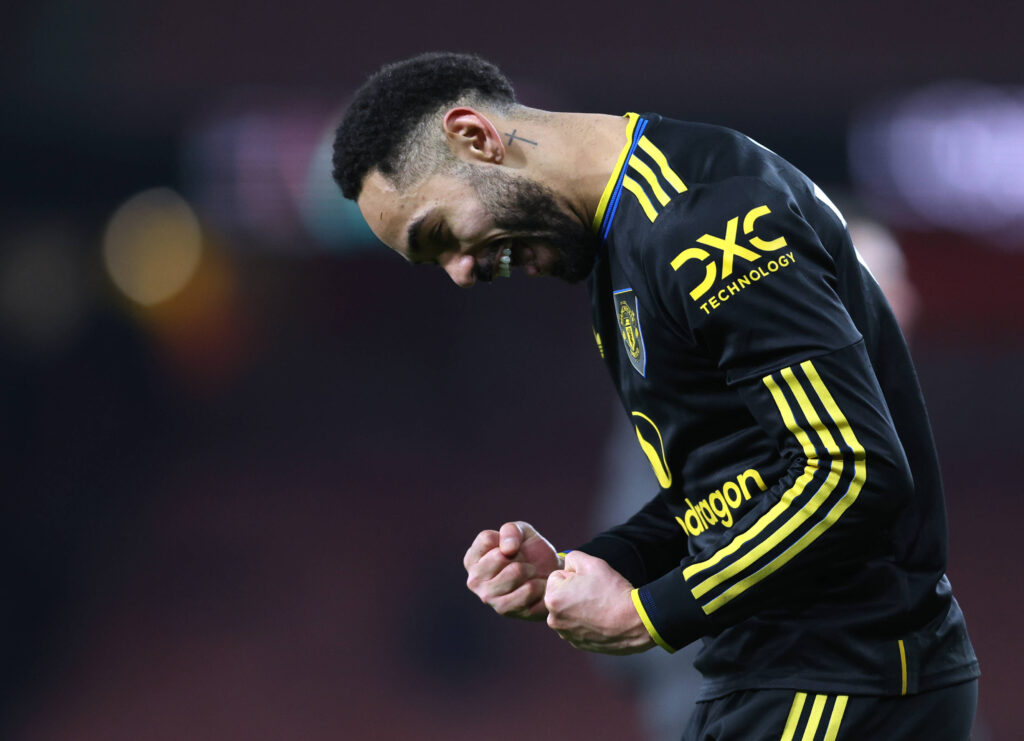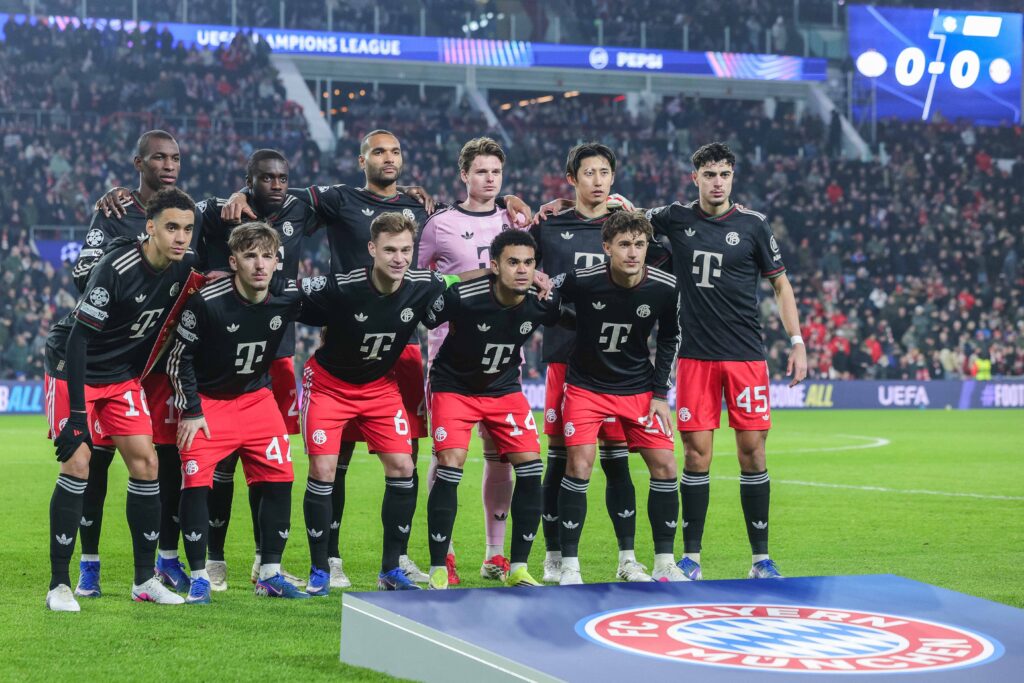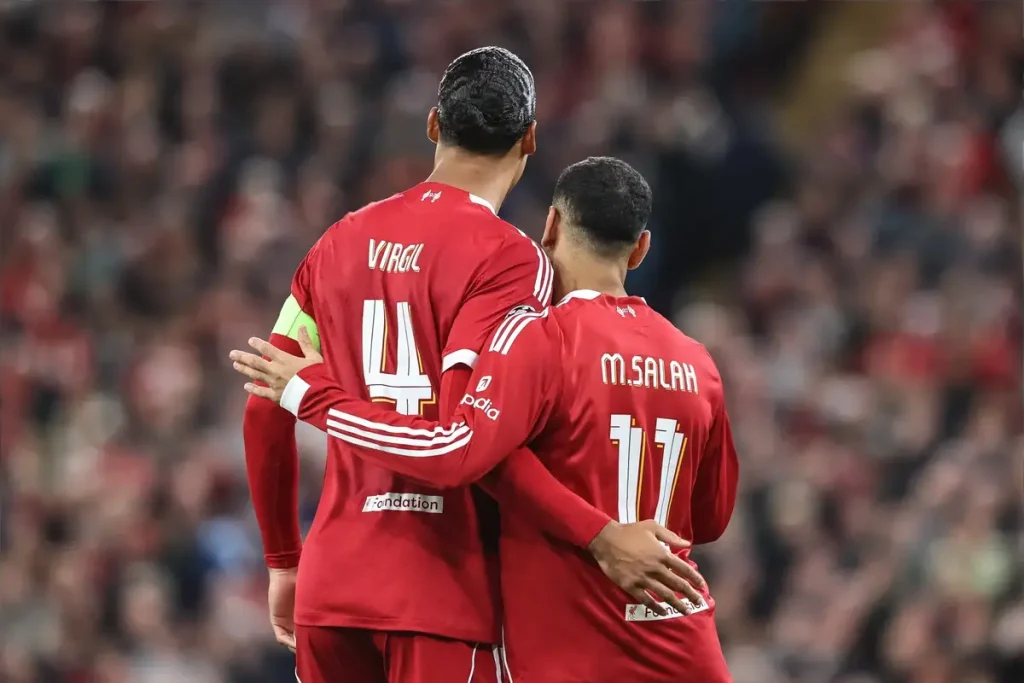

In today’s high-pressure football landscape, the last fifteen minutes have become a matter of survival of the fittest. Data from the ongoing 2025/26 European season shows fascinating trends. Arsenal and Liverpool remain masters of the last-scoring side, often snatching victory from draws or turning slender leads into comfortable cushions. Why does this happen? It’s a combination of ruthless conditioning and a bench deep enough to tear up playbooks in no time.
This trend isn’t just a lucky bounce or a lingering shadow of ‘Fergie era’ nostalgia; it’s a pillar of calculated, hard-working football in the modern era.
Some teams don’t just “finish strong” – they’re built for late goals. Whether it’s superior physical fitness, perfect timing of substitutions or a wide-scale tactical shift in the final quarter, this pattern is often seen in the data: more shots after 75 minutes, higher expected goals in the later stages, and the pressure continues to surge once the opponent starts to protect the lead. It’s also why analysts pay close attention to game state trends as a team keeps scoring. For those who track how team depth and momentum influence the final whistle, late is often a case of the same team winning corners and territory. Examining the mid-game and late goal markets can provide a clear picture of how quickly expectations can change once substitutions and tempo change.
Here are a few clear examples of late goals from Arsenal or Liverpool in the 2025/26 Premier League season, focusing on goals around the 80th minute.
Arsenal last minute goal game
Newcastle 1-2 Arsenal – St James’ Park
Around the 84th minute, Declan Rice passed in and Mikel Merino scored with a header, making the score 1-1. In stoppage time, Gabriel Magales headed in from a corner to seal the victory for Arsenal and complete the comeback with the decisive goal.
Crystal Palace 1-2 Liverpool
The Premier League’s feature on late goals highlights Gabriel’s stoppage-time winner at Newcastle as one of the iconic late moments of the season, underscoring Arsenal’s role in the wider ‘late drama’ narrative of the 2025/26 campaign.??
Liverpool late goal game
Liverpool 1-0 Arsenal
Perhaps no late-game goal could rival Dominik Szoboszlai’s stunning free-kick masterclass against Arsenal in the 83rd minute.
Liverpool 4-2 Bournemouth – Anfield (season opener)
Liverpool scored two goals in the last minute to turn a close game into a 4-2 victory. Federico Chiesa scored in the 88th minute and Mohamed Salah scored in the 90th+4th minute. Both goals were counted as goals to seal the victory at the last moment.??
Burnley 1-2 Liverpool-Turf Moor
Mohamed Salah scored a penalty kick (90+5) in the 5th minute of injury time to help Liverpool win. The goal made Liverpool the first team in Premier League history to score a winning goal in the last 10 minutes or later and win four consecutive games.
??
substitution effect
The “finishers” – as some managers now call them – have changed everything since the introduction of the five-substitute rule. You’re no longer just playing against tired defenders; You’re up against a dynamic, lightning-quick winger who comes on in the 70th minute specifically to take advantage of your fatigue.
- Fresh Legs vs. Heavy Lungs: The drop in defensive concentration usually occurs between the 80th and 85th minutes.
- Tactical flexibility: Teams like Leverkusen have mastered the art of changing formations midway through the half-space to catch defenders in position.
- Psychological warfare: If a team knows they have a history of scoring goals late, they will play with insane confidence while their opponents play with insane fear.
For losers, it’s an exhausting cycle. You can defend perfectly for 80 minutes, but one mistake in a chaotic penalty area is enough.
The power of the masses and closure
Is it easier to find the winning goal when you’re surrounded by 50,000 screaming fans? perhaps. Home advantage provides a real boost when a team is chasing a result in the embers of a game. The referee felt the pressure, the ball boy got the ball back faster and the sheer noise seemed to drag the player towards the goal line. It’s that extra five percent of adrenaline that helps the forwards win headers they usually lose in the first half.
What do you think? Is your team the kind of team that breaks hearts in the 94th minute, or are you usually the type to check your watch every five seconds? Let us know in the comments which team you think is the most dangerous once the sun starts to set on game day.
Berita Terkini
Berita Terbaru
Daftar Terbaru
News
Berita Terbaru
Flash News
RuangJP
Pemilu
Berita Terkini
Prediksi Bola
Togel Deposit Pulsa
Technology
Otomotif
Berita Terbaru
Daftar Judi Slot Online Terpercaya
Slot yang lagi gacor
Teknologi
Berita terkini
Berita Pemilu
Berita Teknologi
Hiburan
master Slote
Berita Terkini
Pendidikan
Resep
Jasa Backlink
One Piece Terbaru